%2Ffit-in%2F250x250%2Fguide_websites%2F7174%2Fimages%2F1747957269156img_7048.jpg&w=1920&q=100)
Goldfish Caught Fishing in Gulf Shores AL
Goldfish Fishing in Gulf Shores - What to Expect
%2F%2Fusers%2Fabaa6c91-968f-484f-bf62-cc7b1b81aa8c%2Fimages%2Fgulf-shores-goldfish-catch-2549.jpg&w=1920&q=75)
Fishing Charter by Captain Tony Hogan in July
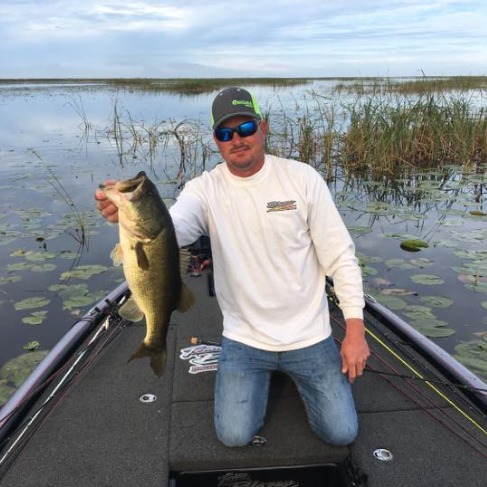
Meet your Captain Tony Hogan
- Experience Alabama's Finest Gulf Shores Fishing


Summary
Out on a fishing charter in Gulf Shores during late July, we landed a goldfish that became the highlight of the day. Captain Tony Hogan guided us through the waters with expertise and local knowledge, making this a memorable fishing experience along Alabama's Gulf Coast.
Fishing Charter with Captain Tony Hogan - Rates & Booking
Captain Tony Hogan of In Too Deep Charters took us out on Tuesday, July 21st for an unforgettable fishing charter in Gulf Shores, AL. The day on the water delivered exactly what we needed - good company, clear skies, and the thrill of an unexpected catch. When you book with Captain Tony, you're getting someone who knows these waters and genuinely wants you to have a great experience out there.
To book your own fishing charter with In Too Deep Charters, contact the company directly to discuss dates, group size, and what you're hoping to catch. Captain Tony works with groups of various sizes and can help tailor your trip to match your skill level and expectations.
Highlights of Our Fishing Day
The standout moment came when we brought in a goldfish - an unexpected find that sparked conversation and laughter among everyone on board. It's these surprising moments that stick with you long after the trip ends. The water was calm that day, visibility was solid, and we had plenty of time to explore different fishing spots around Gulf Shores.
What really made the difference was having someone at the helm who cares about putting you on fish and making sure you enjoy yourself. Captain Tony's local expertise meant we spent our time where the fish actually were, not wasting hours in dead zones.
Local Species Insights: Goldfish and Gulf Shores Waters
Finding a goldfish while fishing in Gulf Shores is genuinely surprising. Goldfish are typically associated with freshwater environments like ponds and aquariums, so catching one in the Gulf waters of Alabama tells an interesting story about the waters around Gulf Shores. It's a reminder that the Gulf ecosystem is diverse and sometimes throws you curveballs.
The Gulf Shores area offers a rich marine environment. The warmer waters, shallow bays, and deeper offshore zones create habitat for many fish species. What makes fishing here rewarding is the variety - you never quite know what you'll encounter, whether it's your targeted species or something unexpected that makes for a better story. The water conditions on the day we went out were ideal for exploring different depths and environments where fish congregate.
Local guides like Captain Tony have spent countless hours on these waters and understand the seasonal patterns, tidal movements, and specific locations where you're most likely to succeed. That knowledge is invaluable when you're trying to make the most of your time on the water. Whether you're a seasoned angler or picking up a rod for the first time, having someone who knows the Gulf Shores fishery makes your day significantly better.
Fishing in Gulf Shores: Goldfish
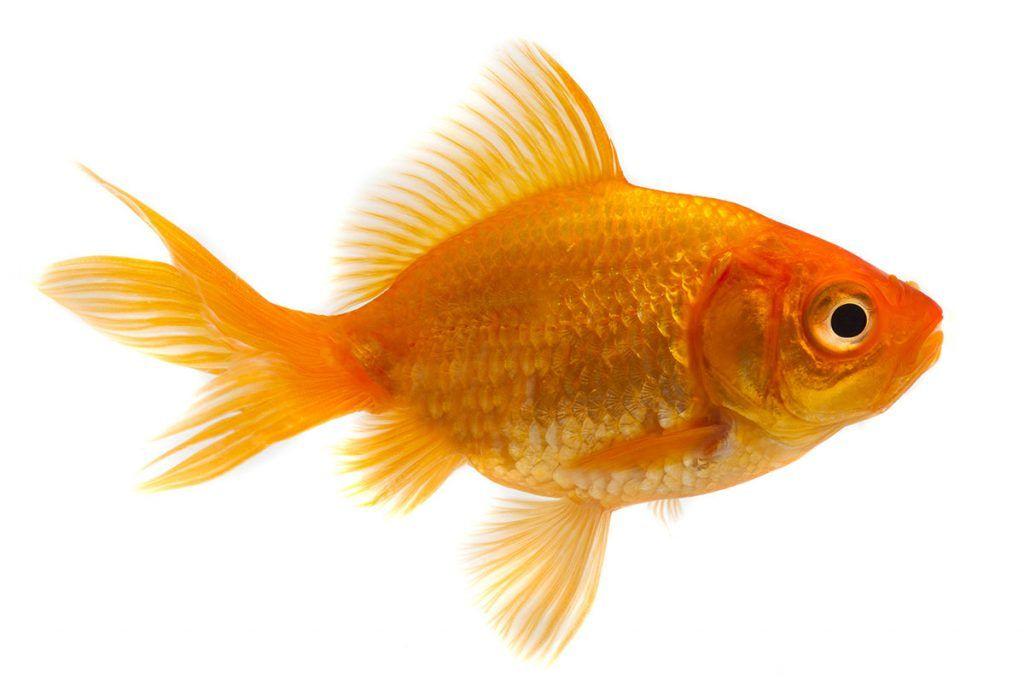
The Goldfish (Carassius auratus) belongs to the family Cyprinidae within the order Cypriniformes, making it a close relative of carp and minnows. Originally native to East Asia, these distinctive orange-to-golden colored fish have become one of the world's most recognizable freshwater species. Distinguished by their vibrant coloration, forked tails, and various fin configurations, goldfish possess fewer lateral scales than their carp cousins—a key identifying feature that helped establish them as a separate species. Interestingly, these hardy fish can live up to 70 years under optimal conditions and are known for their remarkable adaptability to various aquatic environments.
Goldfish Overview
These resilient freshwater fish have established populations in waterways worldwide, often thriving in areas where they were introduced as escaped or released pets. While commonly associated with home aquariums, wild goldfish populations offer unique angling opportunities for recreational fishermen. Their omnivorous nature and constant hunger make them relatively easy targets for anglers, though they're primarily sought for sport rather than consumption. The species encompasses numerous breeds including Oranda, Lionhead, Ryukin, and Telescope varieties, each with distinct physical characteristics ranging from bubble eyes to flowing veil tails.
Goldfish Habitat and Distribution
These adaptable fish prefer slow-moving or stagnant water bodies with abundant vegetation, including ponds, lakes, streams, and drainage ditches. They thrive in cooler water temperatures and can tolerate a wide range of water conditions, making them successful colonizers in diverse aquatic environments. Goldfish favor areas with muddy bottoms where they can forage for food, and they're often found in shallow waters near vegetation during warmer months. Their preference for nutrient-rich waters means they're commonly encountered in urban ponds, golf course water features, and agricultural drainage systems.
Goldfish Size and Weight
In confined spaces like aquariums, these fish typically reach 1-4 inches in length. However, in larger water bodies, they can achieve impressive sizes ranging from 1-19 inches and weighing between 1-10 pounds. The largest specimens, reaching up to one foot or more, are typically found in expansive ponds and lakes where unlimited space allows for continuous growth. Their size potential often surprises anglers who expect small, aquarium-sized fish but encounter robust specimens that provide genuine sporting challenges on light tackle.
Goldfish Diet and Behavior
These opportunistic feeders consume virtually anything available, including aquatic vegetation, insects, small crustaceans, worms, and organic debris. Their voracious appetite extends to human food items like bread and rice, making them easy to attract with simple baits. They exhibit schooling behavior, especially during feeding times, and are most active during dawn and dusk hours. Their constant foraging behavior often creates visible disturbances in shallow water, alerting anglers to their presence through muddy water clouds and surface ripples.
Goldfish Spawning or Seasonal Activity
Spawning occurs during spring and early summer when water temperatures rise above 60°F. During this period, males develop breeding tubercles on their gill covers and fins, while females become noticeably fuller with eggs. They scatter adhesive eggs among aquatic vegetation in shallow areas, with no parental care provided afterward. Peak activity occurs in warmer months, though they remain catchable year-round in temperate climates. Winter fishing can be productive in deeper water where they congregate in slower-moving schools.
Goldfish Techniques for Observation or Capture
Light tackle fishing with small hooks and simple baits proves most effective for these readily-biting fish. Bread balls, corn kernels, and small worms work exceptionally well as bait, with many anglers reporting success using single kernels of corn on size 8-12 hooks. For catch-and-release or live capture, small nets combined with bread or corn as attractant allow for efficient collection without injury. Still-fishing near vegetation during early morning or evening hours typically produces the best results. Around urban areas, park ponds and golf course water features often provide accessible fishing opportunities where these introduced populations have established themselves.
Goldfish Culinary or Utilization Notes
Unlike many freshwater fish species, goldfish are not recommended for consumption and are considered inedible due to potential toxicity concerns. Their value lies primarily in their role as sporting fish for light tackle angling and their ecological impact in introduced environments. Some anglers capture them for use as bait for larger predatory fish, though local regulations should be consulted before using them in this manner. Their primary utility remains recreational fishing, particularly for introducing young anglers to the sport due to their willingness to bite and fight when hooked.
Goldfish Frequently Asked Questions
Q: What is the best bait for catching goldfish?
A: Simple baits work best, including bread balls, sweet corn kernels, small earthworms, and waxworms. These fish are opportunistic feeders and will readily take almost any organic matter presented on a small hook.
Q: Where can I find goldfish for angling near urban areas?
A: Urban park ponds, golf course water features, apartment complex retention ponds, and slow-moving streams often harbor established populations. Many of these locations are accessible to the public and provide excellent opportunities for light tackle fishing.
Q: Are goldfish safe to eat once caught?
A: No, goldfish should not be consumed as they are considered inedible and potentially toxic. They are best enjoyed as sport fish for catch-and-release angling or as live bait for larger predatory species where regulations permit.
Q: When is the best time to catch goldfish?
A: Early morning and evening hours during warmer months provide optimal fishing conditions. Spring and summer offer the most active feeding periods, though they can be caught year-round in temperate climates, with winter fishing often productive in deeper water areas.
Q: What tackle should I use for goldfish angling?
A: Light tackle with small hooks (size 8-12), light line (4-8 lb test), and simple bobber rigs work perfectly. These fish don't require heavy equipment, making them ideal for ultralight tackle enthusiasts and beginning anglers.
Q: Do goldfish provide good sport fishing opportunities?
A: While not known for spectacular fights, larger specimens can provide surprising resistance on light tackle. Their willingness to bite and consistent presence in many water bodies make them excellent targets for recreational angling, particularly for skill development and introducing newcomers to freshwater fishing techniques.